INDUSTRY
Logistics
MY ROLE
Lead Product Designer
research, analysis
TEAM
1 designer
Founder/CEO
~9 engineers
1 product manager
TIMELINE
~ 3 Months from research to launch
OVERVIEW
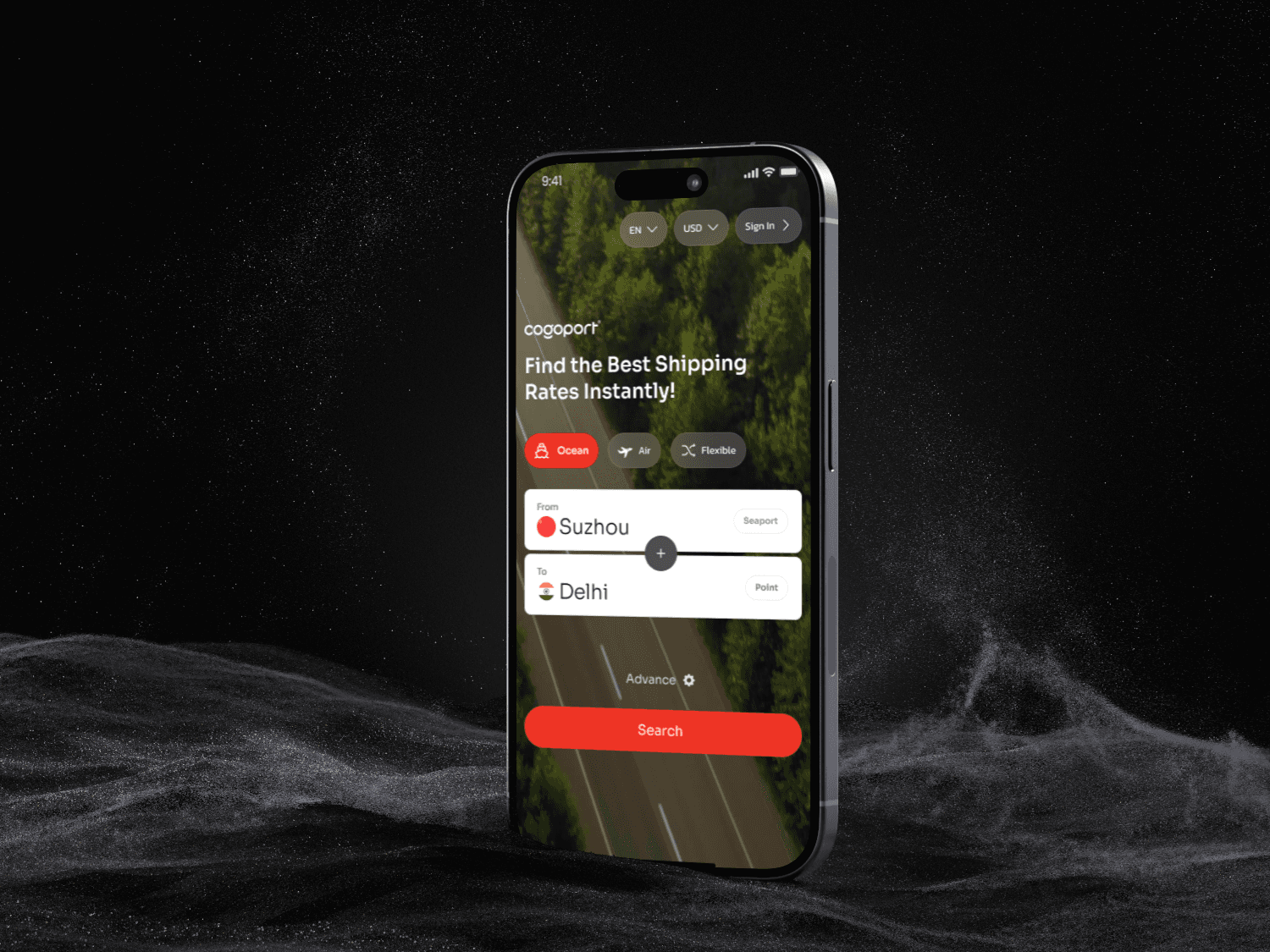
Cogoport is a digital freight and logistics platform that simplifies and optimizes global trade for businesses of all sizes. By enabling ocean, air, and land freight bookings, Cogoport connects shippers with trusted logistics providers across the world.
Cogoport’s mission is to make shipping faster, more reliable, and transparent, helping businesses especially SMEs compete globally with ease and confidence.
PROBLEM
Despite a steady flow of users searching for freight rates every day, very few were actually completing their bookings.
<15%
of all searches, converted to bookings
The issue wasn’t visibility it was a lack of credibility.
Laying the foundations
Shipping is high-stakes: prices fluctuate, hidden charges are common, delays can cost millions. And our product despite its functionality didn’t feel reliable. Users hesitated. They picked up the phone. They abandoned mid-checkout.
We weren’t losing business to competitors.
We were losing to doubt.
PROBLEM STATEMENT
How might we build an interface that inspires trust and clarity, so that users feel confident booking international shipments online without needing to talk to a sales rep?
RESEARCH
To understand the pain points, we started with qualitative research, support calls, and journey mapping.
We interviewed:
SME exporters in India
Freight managers in Vietnam & the UAE
First-time digital shippers
The First-Time Shipper (Newbie)
Doesn’t understand the charges or process. Fears being overcharged.
The Stressed Ops Manager
Knows freight but needs transparency, fast. No time for calls.
The Price-Sensitive Buyer
Optimizes for rates, but doesn’t trust low-price options without backing.
Identifying the Real UX Gaps
We mapped the search-to-checkout funnel and identified major breakdowns in trust
funnel step
Search Results
result
Indecision, drop-offs
quote cards lacked decision‑making info
to pick a route, users needed extra datapoints like cut‑off dates, carrier, transit times, and reliability, so they kept scanning, second‑guessing, or dropping off
accessibility & focus issues
big red sticky bar had poor contrast, hid key flags, and took over >25% of the screen, pulling attention away from the actual quotes
all quotes looked the same
no clear way to compare options at a glance, users couldn’t tell which route was better, so they stalled or left
goal
Help users pick the right quote in seconds, not get stuck comparing
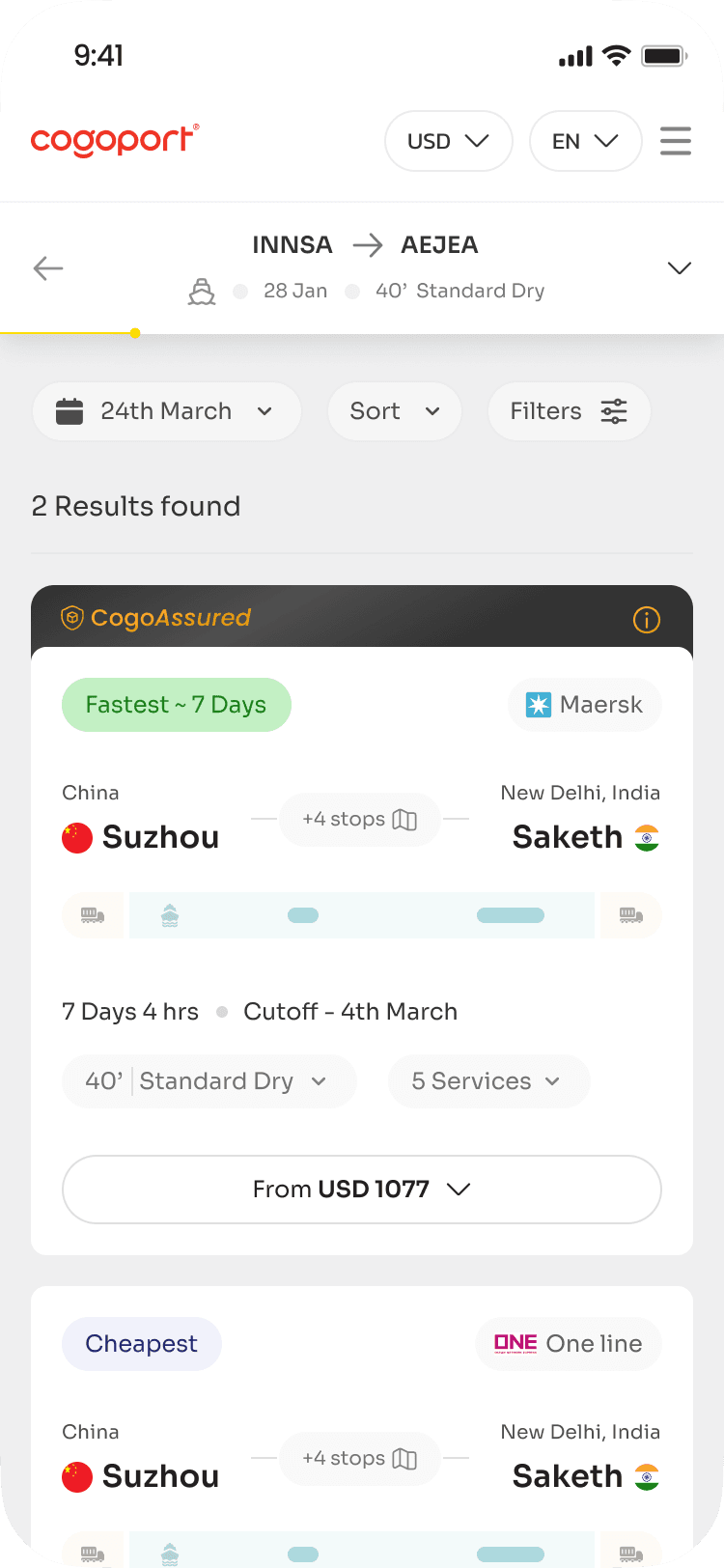
introduced quote cards with decision‑ready info
Carrier name and logo
Reliability rating based on past performance
Cut‑off dates, direct vs transshipment, etas
Grouped results into “best value”, “fastest”, “most reliable”
Added visual flags for programs like CogoAssured
why it worked
Users didn't always want the "cheapest" quote. They wanted the right one, with confidence.
funnel step
Quote Detail View
result
Suspicion, fear of hidden fees
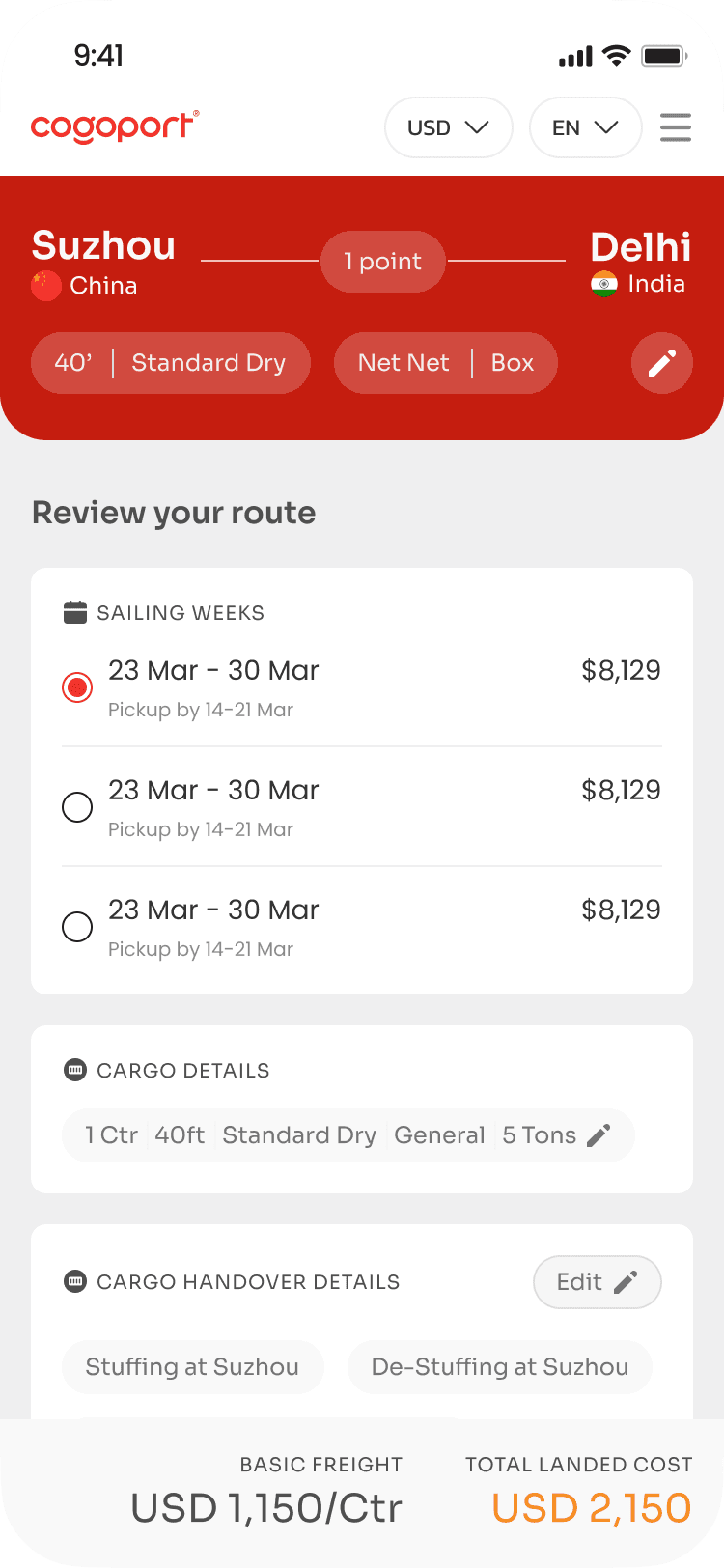
No Price Breakup
Lack of price breakdown made it unclear what the user was paying for
goal
Remove ambiguity around charges.
introduced Price Summary
Real-time interactive charge breakdown
Grouped charges into: Origin, Ocean, Destination, Documentation
Added tooltips for every charge (“What is THC?”)
key insight
Freight is the only industry where you don’t know what you’re paying for upfront.
impact
Support tickets about “extra charges” dropped 41% after launch.
funnel step
Pre Checkout
result
Anxiety, calls to support
Missing Steps Indicator and complex form
A long form with no indication of it's completion
goal
Guide users calmly through a complex form
Broke booking process into 4 steps, each with visual indicators
1. Select Route
2. Select Services
3. Invoicing Parties
4. Overview & Payment
↓22%
9 mins → ~6 mins
Time to complete checkout
↓33%
Form abandon rate
funnel step
Checkout
result
Lack of closure, buyer’s remorse
No Assurance
Unclear communication about the next steps? What is a user booking? Is it safe?
Vague Post Booking Confirmation
Just a simple tick, no communication of further events and tracking
goal
What if trust wasn’t just implied but promised?
CogoAssured – A Promise for Reliable Shipping
Verified carriers
Guaranteed vessel space
Priority support
Refund or free rebooking if commitments break
PROCESS
How we built it into UX
CogoAssured badge on eligible quotes
Hover info: “On-time guarantee, verified partners, tracked from port to door”
Checkout callout: “This shipment is CogoAssured”
Post-booking dashboard with live milestone tracking
why it worked
It gave users a safety net, a critical psychological need in B2B shipping.
34%
of all bookings post-launch were CogoAssured
1.6x
higher conversion rates vs non-assured quotes
Led to new partnerships with top carriers who wanted to be included
what i learnt
This wasn’t just a copy pass, it changed how we represent time and risk.
TRUST MATTERS IN HIGHT TICKET SALES
Trust isn't a banner. It’s an ecosystem. Every screen either earns or erodes confidence.
MICROCOPY IS POWERFUL
Microcopy is a UX power tool. Words like “secure,” “guaranteed,” “verified” carry emotional weight.
AVOID JARGONS
Layman’s terms in a technical domain wins. Just because your users are logistics professionals doesn’t mean they want jargon.
WHAT'S NEXT
Upcoming improvements in pipeline
Port Congestion Data
Integrate port congestion scores into quote view (to further de-risk booking)
Dynamic quote recommendations
Based on past behavior + reliability index
CogoTrust score
Launching a CogoTrust score: a single visible rating combining price transparency, carrier reliability, and booking success